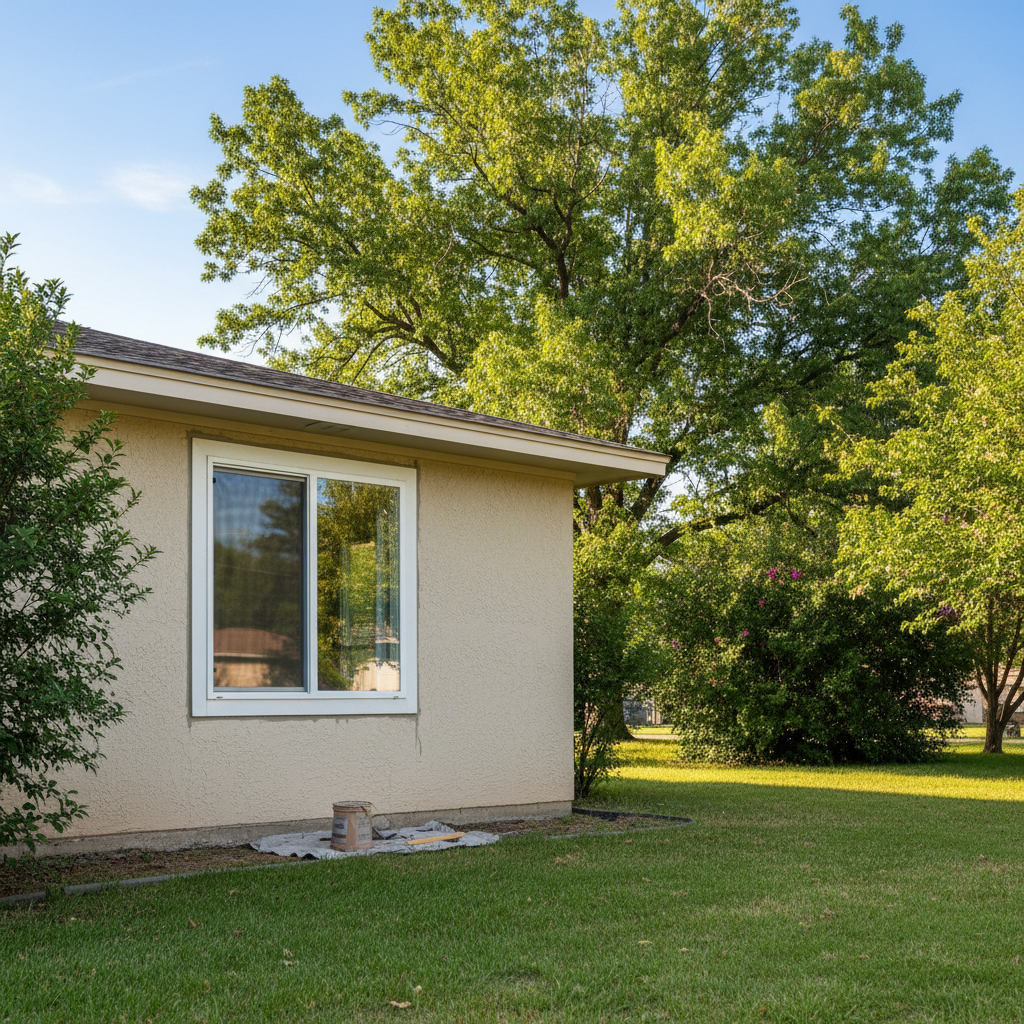
When's the best time to get your windows fixed or replaced around here? That's a question I get a lot, and it's a good one, especially with Guymon's weather doing its own thing all year. You've got to think about more than just the calendar; you've got to think about the wind, the dust, and those temperature swings that can be brutal.
Timing Your Window Work: It's Not Just About the Sun
Most folks think spring or fall is the sweet spot for home projects, and for windows, they're not wrong. But it's not just about pleasant temperatures. It's about minimizing disruption and making sure the sealants cure right.
- Spring (Late March to May): This is usually a prime time. The ground's thawed, the really bitter cold is gone, and you don't have the scorching heat yet. Sealants and caulks set up well in these moderate temps. Plus, you're getting ahead of the summer heat and those afternoon thunderstorms that can roll in.
- Fall (September to November): Another excellent window (pun intended!) for installation. The summer heat has backed off, and the air is crisp. This allows for good sealant adhesion before the deep freeze hits. You're also getting your home ready to hold in that precious heat during winter.
Now, can you do it in summer or winter? Sure, we do. But it comes with challenges. In summer, those 100-degree days we get can make the work tough, and you're letting a lot of heat into your house during the install. In winter, when it's below freezing, some sealants don't cure properly, and you're losing a ton of heat. We've got ways to deal with that, like using temporary barriers and special cold-weather sealants, but it's not ideal. If you're in a pinch, we'll make it work, but if you can plan, aim for spring or fall.
Weather Conditions That Affect the Job
You know how it is around here. One day it's calm and sunny, the next you've got 40 mph winds and dust blowing in from Texas County. These conditions really matter for window work.
- Wind: High winds are a big problem. They make it dangerous to handle large panes of glass, especially on a ladder. They also blow dust and debris into fresh sealant, which you absolutely don't want. If the wind's really howling, we might have to reschedule. Safety first, and a clean seal is critical for longevity.
- Rain/Moisture: You can't install windows in the rain. Period. Sealants won't stick to wet surfaces, and you risk water getting into your wall cavities. We always check the forecast closely. A little drizzle might be okay if we can protect the opening, but anything more than that, and we're waiting for it to dry out.
- Extreme Temperatures: Like I said, extreme heat or cold affects how sealants cure. Too hot, and they can dry too fast or sag. Too cold, and they might not bond at all, leading to drafts and leaks down the road. We use specific products designed for various temperature ranges, but there's a limit to what even the best materials can do.
- Dust & Dirt: This is a constant battle in Guymon. We take precautions to keep dust out of your home and off the new window frames and sealants. It's why we always clean the opening thoroughly before installation.
Protecting Your Investment Year-Round
Once your new windows are in, or your old ones are repaired, you'll want to keep 'em in top shape. It's not just a one-and-done deal.
- Regular Cleaning: Sounds simple, but clean glass lets in more light and lets you spot issues early. Don't use harsh chemicals that can damage frames or seals. A little soap and water usually does the trick.
- Check Your Seals: Walk around your house a couple of times a year, especially before winter and after summer. Look at the caulk and weatherstripping around your windows. Do you see any cracks, gaps, or areas where it's pulling away? If so, that's an easy fix that can save you a lot on your energy bill. Pay special attention to the south-facing windows; they take a beating from the sun.
- Drainage Holes: Most modern windows have small weep holes at the bottom of the exterior frame. These are for drainage, letting any water that gets past the first seal escape. Make sure they're clear of debris. A toothpick or a small piece of wire can usually clear them out.
- Hardware Check: Give your locks and latches a quick check. Make sure they're operating smoothly. A little silicone spray can help if things are stiff. Properly locking your windows helps with security and ensures a tighter seal.
- Storm Prep: We get some wild storms here. Make sure your windows are closed and locked when bad weather is coming. If you have storm shutters or panels, make sure they're in good working order.
Taking a little time to maintain your windows goes a long way in extending their life and keeping your home comfortable. If you ever spot something that looks like it's beyond a simple fix, or if you're thinking about upgrading, don't hesitate to give us a call at All Star Window Installation. We're here to help you keep your Guymon home sealed up tight, no matter what the weather throws at us.