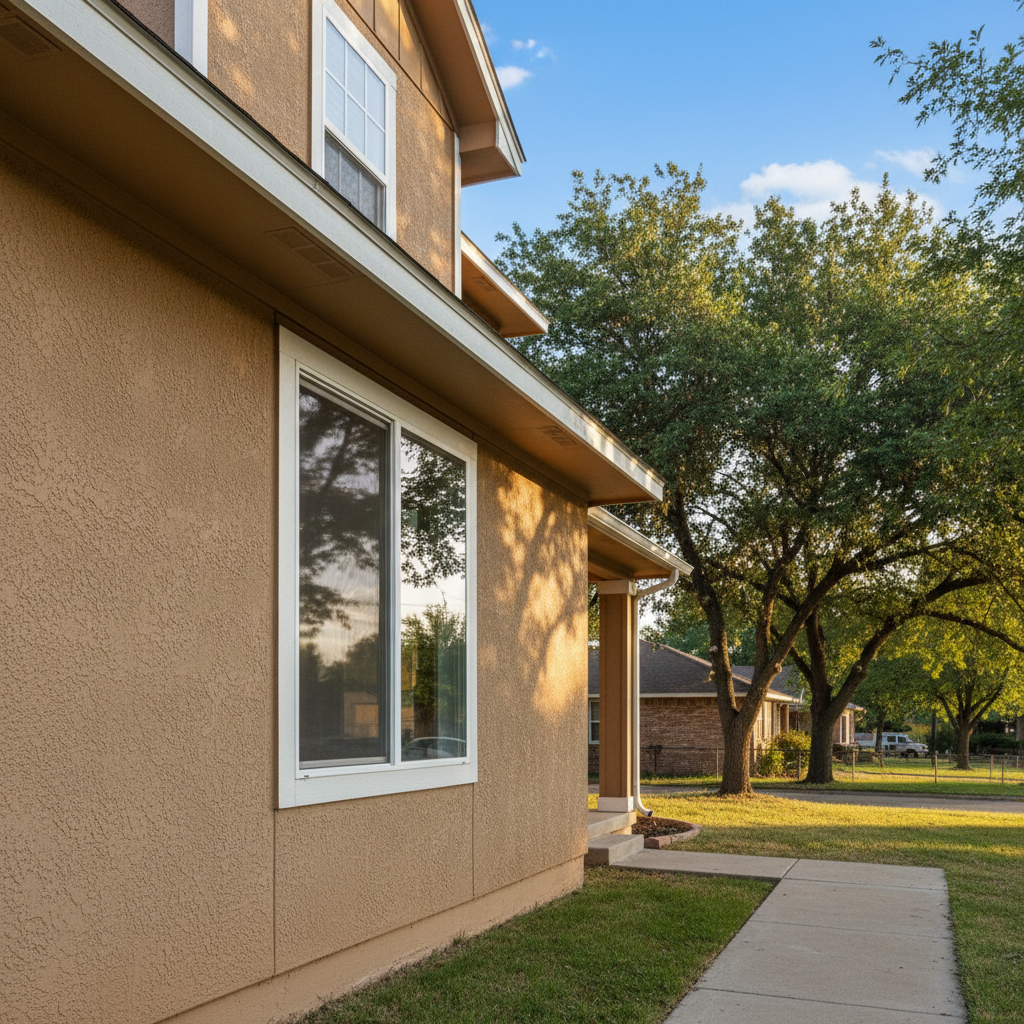
So, you've got storm windows on your Guymon home. Good on ya! They're a smart investment, especially with our crazy Oklahoma weather – those sudden hailstorms and brutal winter winds can really put a beating on a house. But just like anything else, storm windows aren't a 'set it and forget it' deal. If you want them to keep doing their job for years, you gotta give 'em a little love. Here's what I tell my customers about keeping their storm windows in top shape.
Extending the Life of Your Storm Windows
The biggest thing you can do to make your storm windows last longer starts right after we install them. Or, hey, if they've been there a while, it's never too late to begin. It's all about protecting them and handling them right.
- Clean 'em regularly, but gently: Dust and grime build up, especially outside. Grab a soft cloth and a mild, non-abrasive cleaner. Don't go at it with harsh chemicals or rough pads; you'll scratch the glass or the frame finish, trust me. For the inside, a simple wipe-down usually does the trick.
- Lubricate moving parts: If your storm windows slide or crank open, those mechanisms need to stay smooth. A little silicone spray on tracks and hinges once a year can stop them from sticking and wearing out. Just don't use oil-based lubricants; they're magnets for dirt.
- Inspect seals and weatherstripping: This part is super important. The whole point of a storm window is to create an extra barrier. If the seals around the glass or the weatherstripping where the storm window meets your main window are cracked, brittle, or missing, you're losing efficiency. Check these twice a year – once before summer, once before winter.
- Proper storage for removable units: If you've got storm windows you take out, how you store them makes a huge difference. Lay them flat if you can, or stand them upright against a wall where they won't get bumped or bent. Don't stack heavy stuff on them, please. Keep them in a dry, protected spot, like a garage or shed, away from extreme temperatures.
Regular Maintenance: Your Seasonal Checklist
Think of this as your storm window's annual check-up. Doing these things will catch small problems before they turn into big, expensive ones.
- Spring Cleaning (after winter's done): Once the last freeze is gone, give everything a good clean. Look for any ice damage to frames or seals. Make sure weep holes (those small holes at the bottom of the frame meant to drain water) aren't clogged with dirt or bugs.
- Fall Prep (before winter hits): This is when you really focus on sealing things up. Check all the caulking around the storm window frame. If you spot any gaps or cracks, get 'em sealed. Make sure the storm window is securely latched or closed against the primary window to prevent drafts. This is especially important in areas like the Northridge Addition, where older homes might have original windows that aren't quite as tight.
Warning Signs of Trouble
Your storm windows will usually tell you when something's wrong. You just gotta know what to look for.
- Condensation between the panes: This is a big red flag. It means the seal between the storm window and the primary window, or even the storm window's own glass seal, has failed. Now moisture is getting trapped, and that's going to lead to reduced efficiency and potential mold issues.
- Drafts: If you can feel a breeze coming through, your seals or weatherstripping are shot.
- Difficulty operating: If it's hard to open, close, or latch, something's binding. It could be dirt, a bent frame, or a failing mechanism. Don't force it; you'll just make it worse.
- Visible damage: Cracks in the glass, bent frames, or missing hardware are obvious signs that something needs attention.
- Increased energy bills: If your heating or cooling costs suddenly jump, and you can't figure out why, your storm windows might not be doing their job anymore.
When to Call a Professional
Look, I'm all for DIY, but some things are best left to the pros. If you see any of those warning signs, especially persistent condensation or significant drafts, it's time to call someone like All Star Window Installation.
- Seal failure: This often needs specialized tools and expertise to fix correctly, or even a full replacement of the storm window unit.
- Frame damage: If the frame is bent or warped, it's not just an aesthetic issue; it compromises the entire unit's integrity and efficiency.
- Hardware replacement: Sometimes it's just a broken latch, but if it's an integrated part of the window's function, getting the right replacement and installing it correctly can be tricky.
- You're just not sure: If you're scratching your head, or you don't have the right tools or confidence, don't mess with it. A professional can diagnose the problem quickly and recommend the most cost-effective solution. Trying to 'fix' it yourself and making it worse will only cost you more in the long run.
Taking care of your storm windows isn't rocket science, but it does require a little attention. A small amount of maintenance now can save you a lot of headaches and money down the road. Keep 'em clean, keep 'em sealed, and they'll keep protecting your home from whatever Guymon weather throws at us.